



.png)
.png)


LED grow lights are not bad for your eyes when you're using them the right way. Usually, they can pose risks if you’re exposed to intense brightness or harmful wavelengths for prolonged periods. Unlike regular household lighting, many grow lights are designed to emit concentrated spectra to promote plant growth, making them significantly brighter and potentially more straining to human vision.
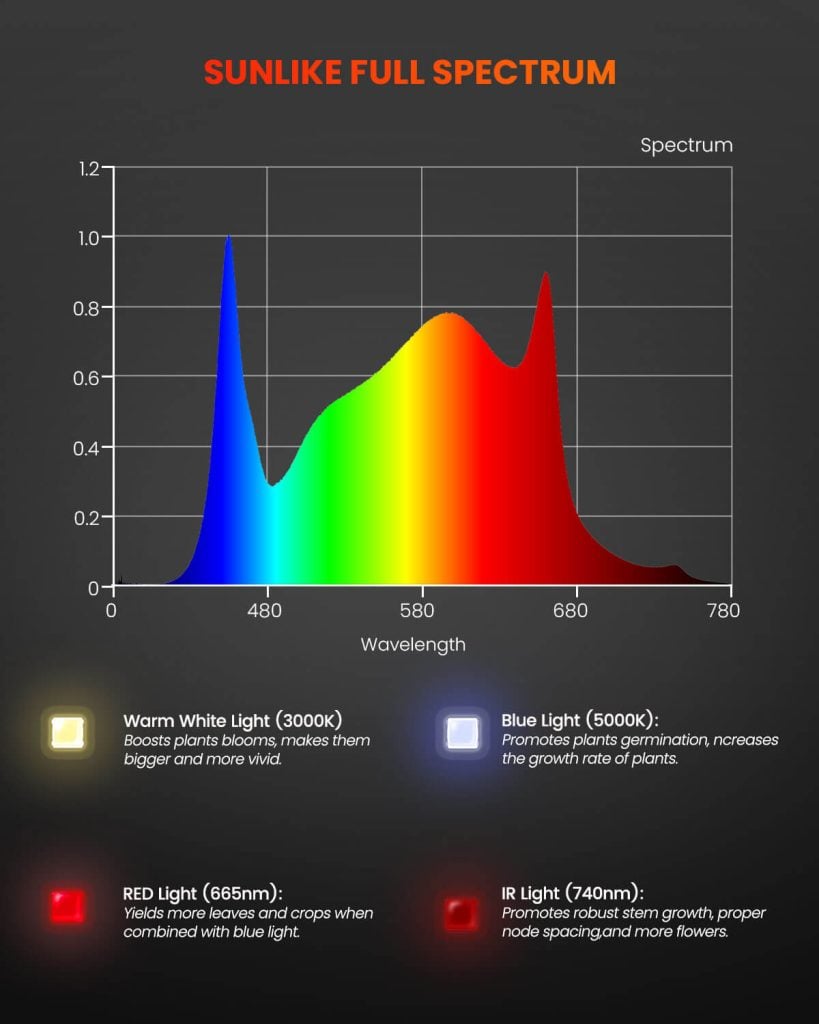
According to the wavelength, the main concern comes from blue light for plants (around 400–480 nm) and, in some high-end models, ultraviolet (UV) light, both of which can contribute to retinal damage, visual fatigue, and disrupted sleep cycles when viewed directly or overexposed.
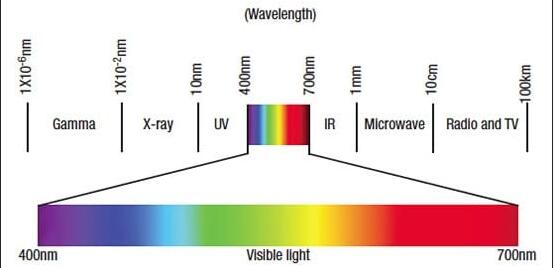
What is the Wavelength of LED Grow Lights?
Effects of Blue Light On Our Eyes
There is data to suggest that too much blue light can hurt the light-sensitive cells in the retina, which can cause changes similar to macular degeneration and, in severe cases, permanent vision loss.
However, this is uncommon unless exposed to a lot of blue light. But it's always good to be cautious; blue light can negatively affect our vision anyway, and our corneas can’t block blue light very well. So it makes sense to take steps to protect our eyes.
Effects of UV Light On Our Eyes
There are three types of UV rays: UVA, UVB, and UVC. UVA is not blocked by the cornea and thus passes directly to the retina. In serious conditions, it can lead to cataracts, and some studies suggest that it also helps with macular degeneration.
While UVB is blocked by the cornea, it can hurt the outer layers of your eyes. Photokeratitis, for example, may be the result of exposure to intense UVB light. UVC has the shortest wavelength, which means it has the potential to cause the most damage to our eyes; however, luckily, our atmosphere filters out most of the UVC, so it doesn’t harm us.
That said, most modern LED bulbs for growing plants are safe for general application, as long as you've taken proper precautions.
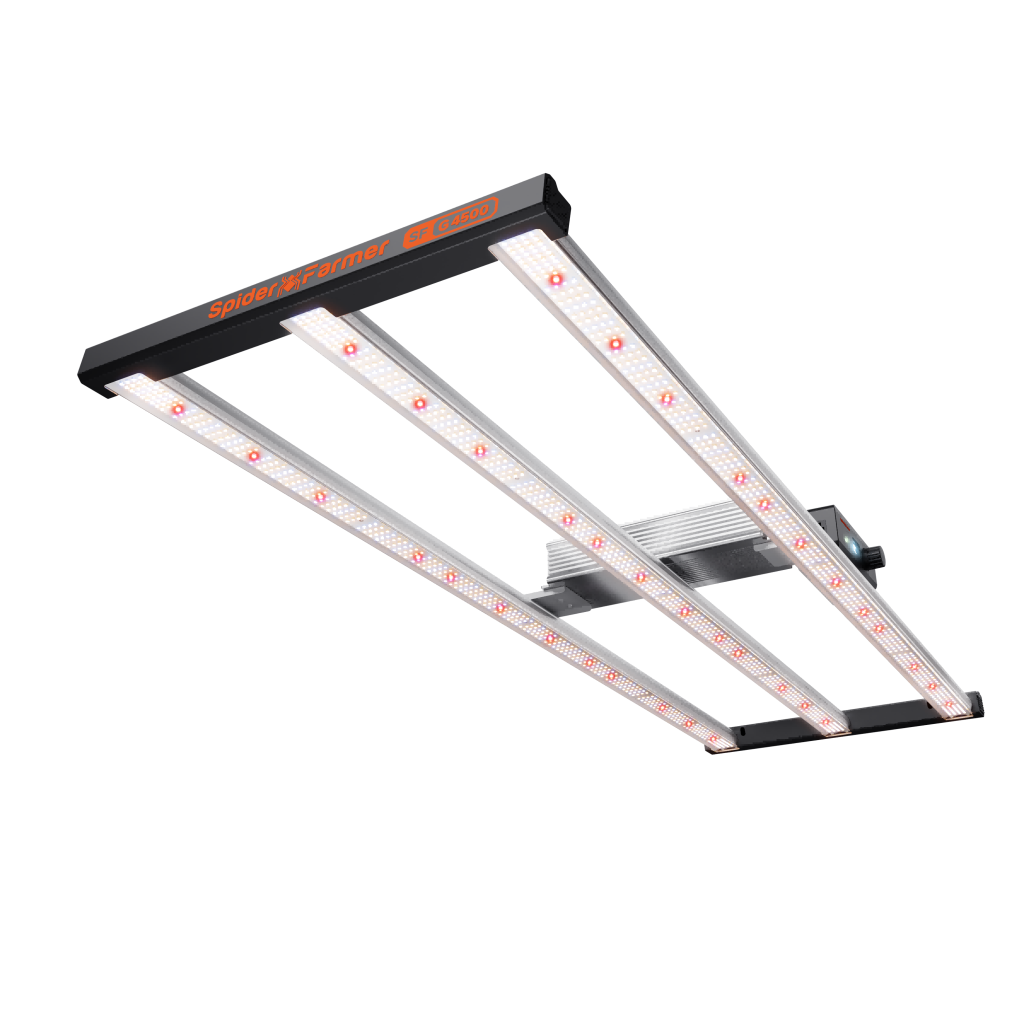

Big Sale | 2026 Spider Farmer® G4500 320W WiFi & Bluetooth App-Controlled LED Grow Light Full Spectrum Dimmable Box, for 70x140cm Grow Tent
In stock
Original price was: €289.99.€229.99Current price is: €229.99.

2026 New Spider Farmer SE5000 480W Led Grow Lampe Dimmable Vollspektrum with Bluetooth & WiFi Smart APP Control
In stock
Original price was: €499.99.€399.99Current price is: €399.99.

2026 Newest Version Spider Farmer® SF1000 100W Full-Spectrum Dimmable LED Pflanzenlampe
In stock
Original price was: €89.99.€75.99Current price is: €75.99.

2026 Spider Farmer® SF2000 Full Spectrum Dimmable LED Pflanzenlampe For 3 Plants
In stock
Original price was: €199.99.€169.99Current price is: €169.99.
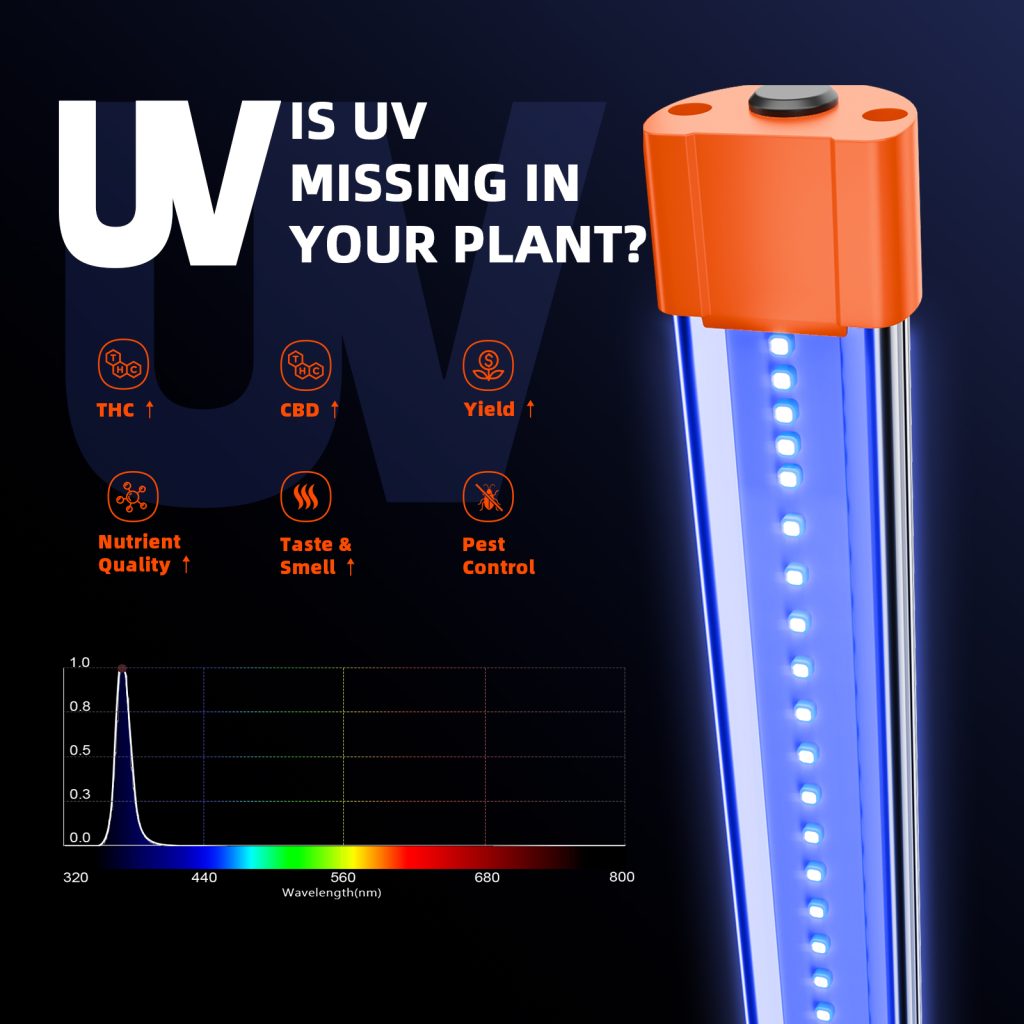
Upgrade & Earn 3X Points | 2026 Newest Spider Farmer UV60 & IR30 LED Grow Light Bars Set (90cm)– Upgraded UV & Infrared Supplement for Plants
In stock
Original price was: €149.99.€99.99Current price is: €99.99.

2026 Spider Farmer SF2000Pro 200W LED Pflanzenlampe For 3 Plants
In stock
Original price was: €179.99.€161.99Current price is: €161.99.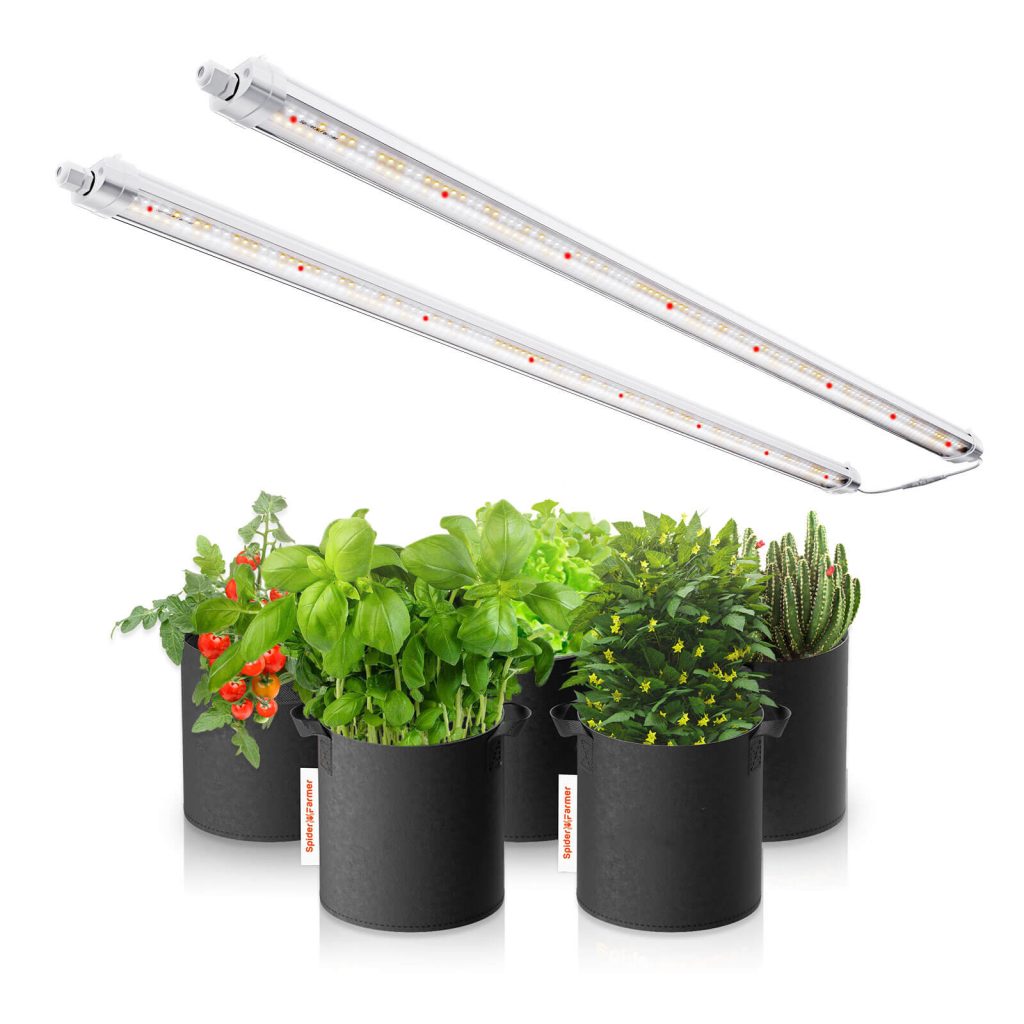
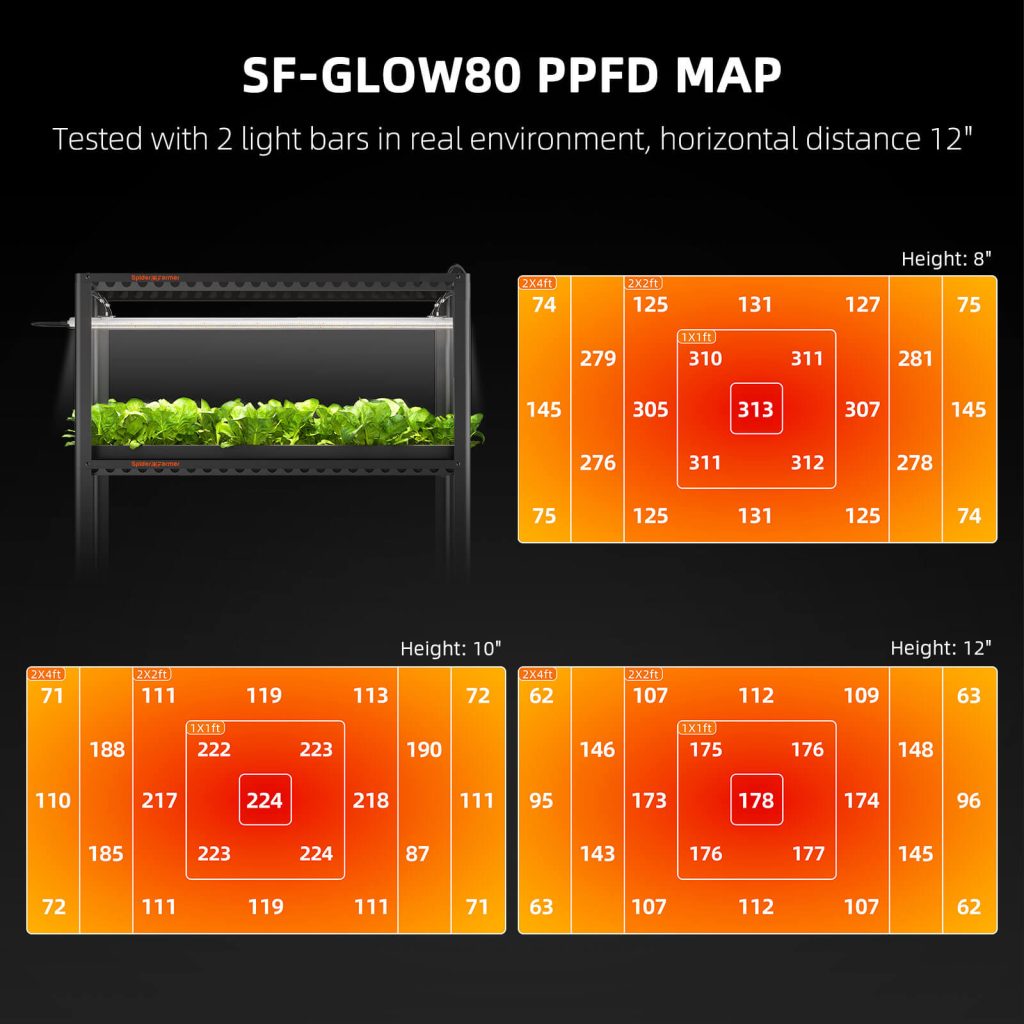
2026 Spider Farmer® Glow80 80W LED Grow Light Bars, Full Spectrum, IP65 Waterproof, Linkable Lamps for Indoor Plants, Succulents, Cloning, Veg & Bloom
In stock
Original price was: €96.99.€72.99Current price is: €72.99.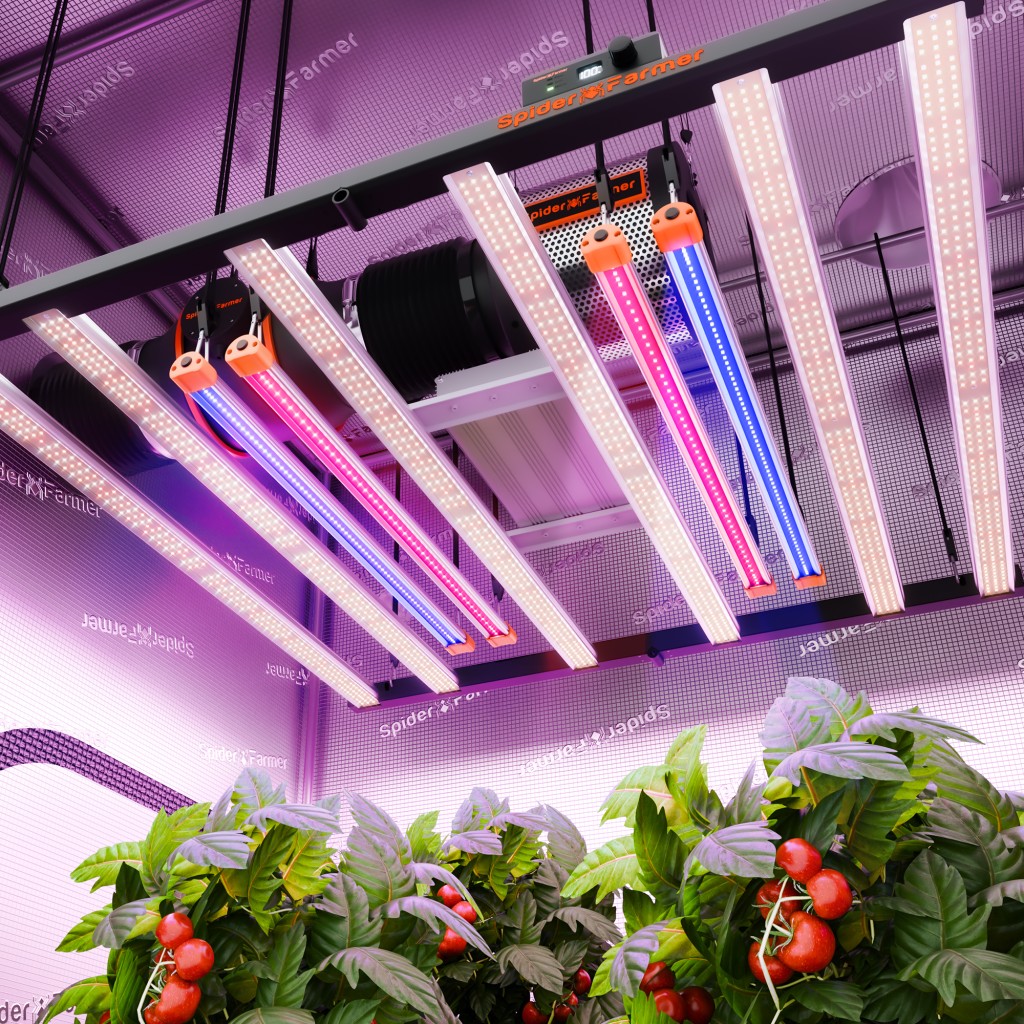
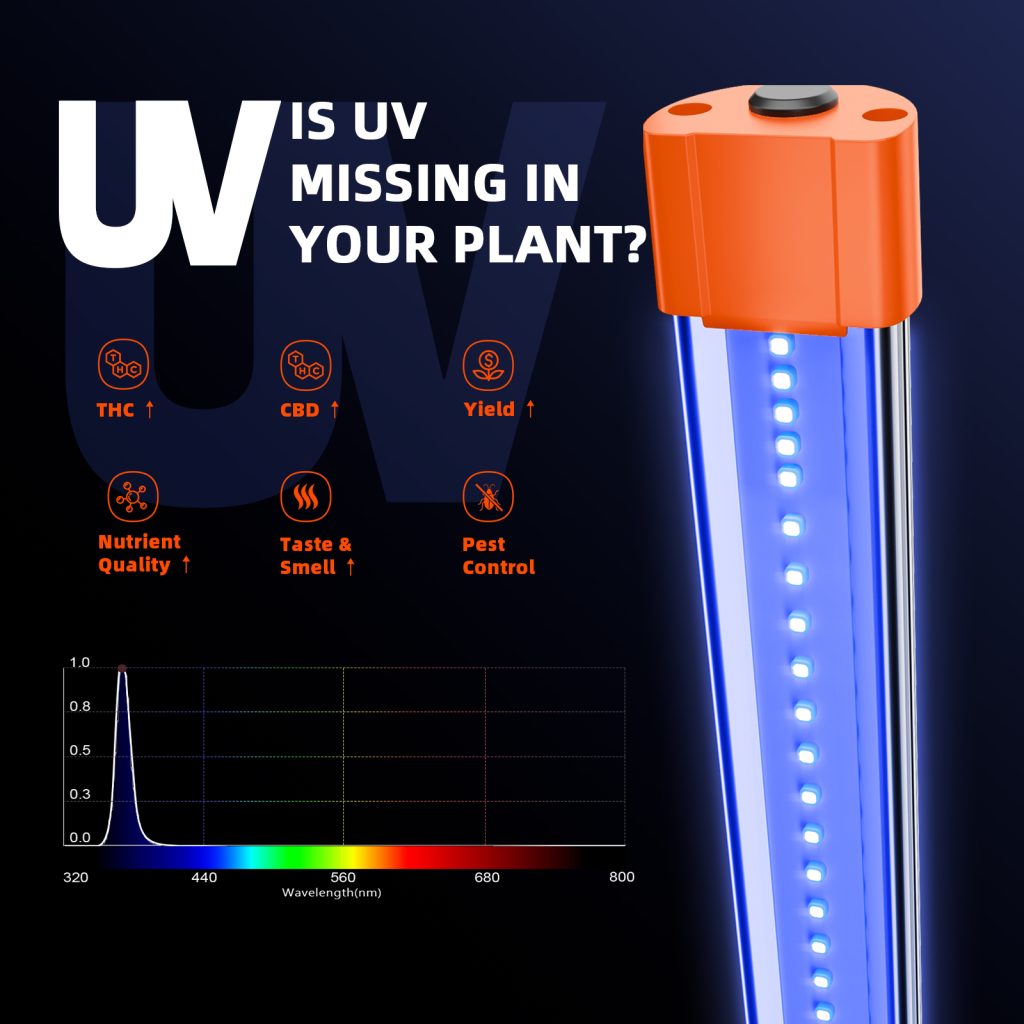
Pre-Order | 2026 Newest Spider Farmer UV30 & IR16 LED Grow Light Bars Set (60cm) – Upgraded UV & Infrared Supplement for Plants
In stock
Original price was: €119.99.€83.99Current price is: €83.99.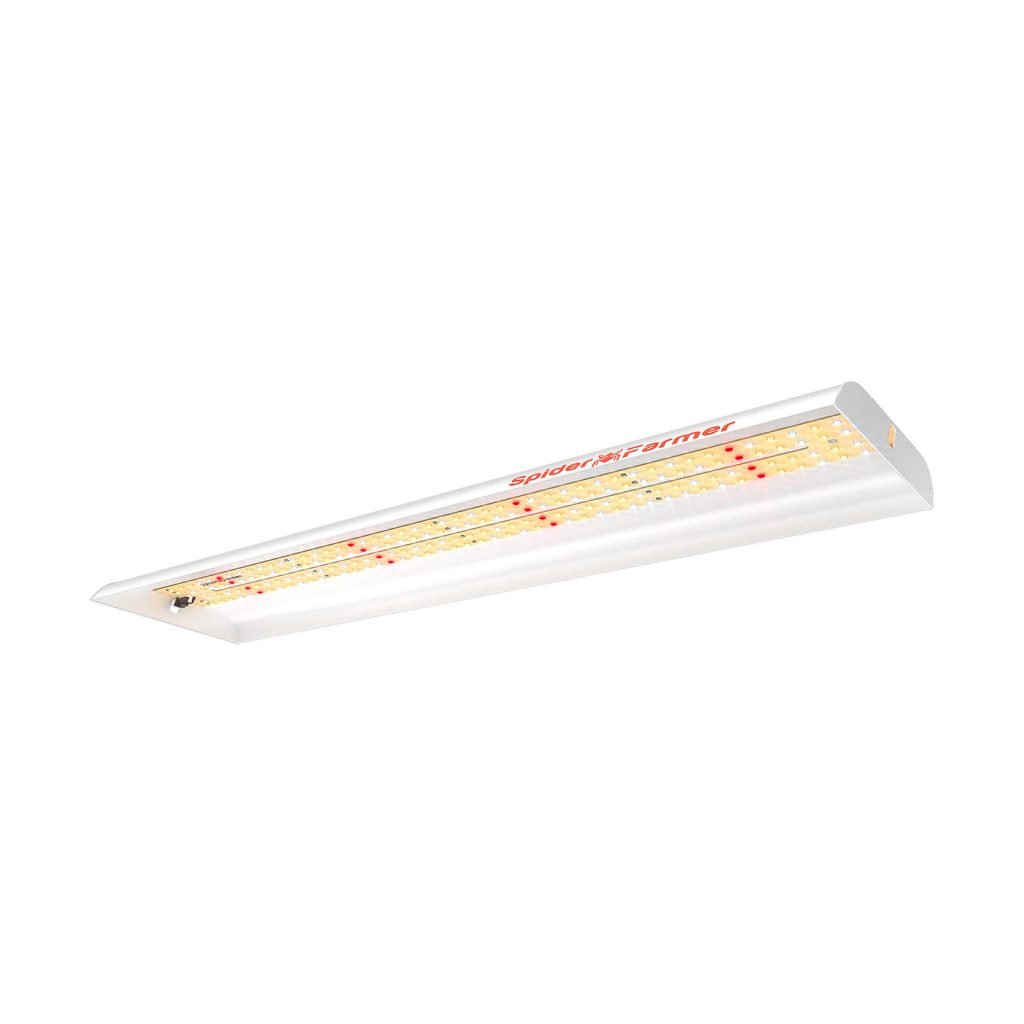
Spider Farmer SF300 33W LED Grow Light For Seedling Indoor Garden
In stock
Original price was: €59.99.€45.99Current price is: €45.99.

2026 New Spider Farmer SE7000 730W Led Grow Light Horticulture Commercial Lampe with Bluetooth & WiFi Smart APP Control
In stock
Original price was: €699.99.€569.99Current price is: €569.99.
2026 Spider Farmer SE4500 320W LED Grow Light Dimmable for 70x140cm with Bluetooth & WiFi Smart APP Control (Pflanzenlampe)
In stock
Original price was: €319.99.€259.99Current price is: €259.99.

2026 Newest Version Spider Farmer® SF4000 450W Full-Spectrum Dimmable LED Grow Light For 4×4’/5×5′
In stock
Original price was: €379.99.€279.99Current price is: €279.99.